

An alliance between brain and gut
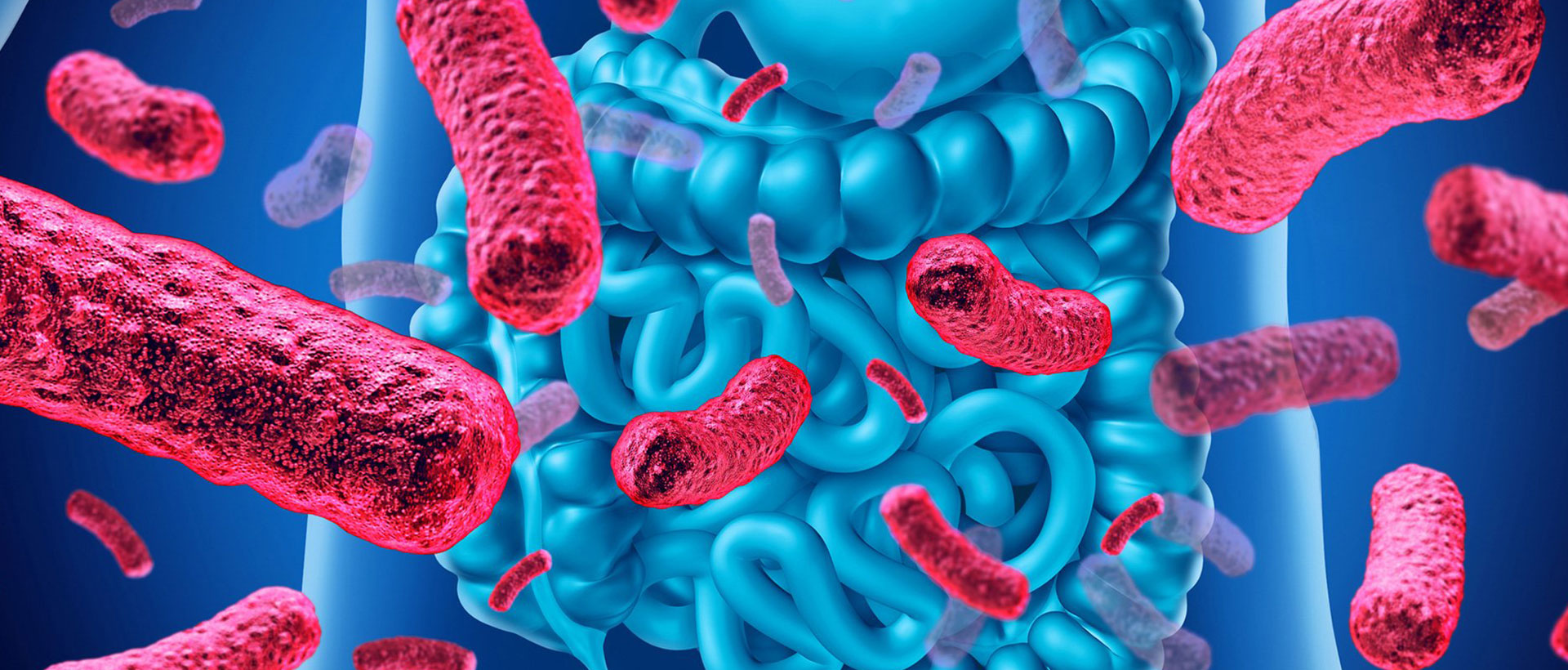
Autism, or autism spectrum disorder (ASD), is a complex condition that affects neurological development and manifests itself with difficulties in communication, behavior, and social interactions. In addition to the genetic basis already identified, an increasingly relevant element is the role of the so-called gut-brain axis (GBA), a two-way communication system between the gastrointestinal tract and the brain. In particular, the intestinal microbiome, or the set of microorganisms that live in the intestine, appears to influence the immune, neurological and metabolic balance, potentially contributing to the development of autism.
The Microbial Signatures of Autism
A recent study used an advanced approach based on data from multiple sources (microbiome, diet, gene expression, immunology) to identify common signals among individuals with ASD. The study, which involved numerous researchers from widely varying geographic locations, analyzed 25 omics datasets, comparing children with ASD to their non-ASD peers, matched for age and sex to reduce statistical bias. The following were identified: 591 microorganisms more present in children with autism and another 169 overlapping with those of non-ASD children. Among the most relevant microbial genera are Prevotella, Bifidobacterium, Bacteroides and Desulfovibrio. Furthermore, these bacteria are linked to alterations in brain gene profiles, to selective diets often poor in amino acids essential for the synthesis of neurotransmitters, and changes in inflammatory cytokine levels such as IL-6 and TGF-β. These relationships suggest afunctional architecture common that connects the intestine and the brain. Other studies highlight the important role of Clostridia and a lack of Lactobacilli and Bifidobacteria. Some differences may be related to diet (selective or not). Not all children with autism spectrum disorder are the same. In any case, the gut microbiota appears to play a key role.
Therapeutic implications and future prospects
A particularly interesting aspect of these studies is the observation of changes in the microbiome after fecal microbiota transplant (FMT) treatments, which led to improvements in behavioral symptoms in autistic children. It should be noted, however, that this is not a routine procedure. Furthermore, it has been found that microbes associated with ASD tend to decrease over time after the intervention. Although it is not yet possible to state a definitive direct causal relationship, these findings lay the foundation for therapeutic strategies that aim to modulate the microbiome to improve autism symptoms.
For further information:
Morton JT, Jin DM, Mills RH, Shao Y, Rahman G, McDonald D, Zhu Q, Balaban M, Jiang Y, Cantrell K, Gonzalez A, Carmel J, Frankiensztajn LM, Martin-Brevet S, Berding K, Needham BD, Zurita MF, David M, Averina OV, Kovtun AS, Noto A, Mussap M, Wang M, Frank DN, Li E, Zhou W, Fanos V, Danilenko VN, Wall DP, Cárdenas P, Baldeón ME, Jacquemont S, Koren O, Elliott E, Xavier RJ, Mazmanian SK, Knight R, Gilbert JA, Donovan SM, Lawley TD, Carpenter B, Bonneau R, Taroncher-Oldenburg G. Multi-level analysis of the gut-brain axis shows autism spectrum disorder-associated molecular and microbial profiles. Nat Neurosci. 2023 Jul;26(7):1208-1217. doi: 10.1038/s41593-023-01361-0.